The world of e-commerce is changing at a rapid pace, and nowhere is this more evident than in the ever-evolving landscape of payment methods. From digital wallets to Buy Now, Pay Later (BNPL) services, the options for consumers to complete online purchases have never been broader—or more sophisticated. As we move into 2024, understanding the latest trends in payment methods is crucial for both merchants and shoppers alike. This article dives deep into the payment innovations, adoption rates, security considerations, and what e-commerce businesses can expect in the coming year.
The Evolving Payment Landscape: Why 2024 Is a Pivotal Year
E-commerce payment methods have expanded far beyond traditional credit and debit cards. In 2023, digital wallets accounted for 49% of global e-commerce transaction value, according to Worldpay’s Global Payments Report. The emergence of new technologies, shifting consumer expectations, and regulatory changes are accelerating this evolution.
2024 is set to be a pivotal year due to several converging factors: - The widespread adoption of cryptocurrencies and decentralized finance (DeFi) tools - Continued growth in contactless and mobile payment solutions - Increasing demand for payment flexibility, such as installment plans and deferred payment options - Heightened focus on payment security amid rising online fraudLet’s explore these trends and see how they’re shaping the future of online payments.
.png)
Digital Wallets Dominate: Beyond Credit Cards
Digital wallets continue their climb as the preferred payment method for e-commerce. Services like Apple Pay, Google Pay, and PayPal are now household names, offering seamless, one-click checkouts and enhanced security through tokenization. In fact, Statista predicts digital wallet transactions will surpass $16 trillion globally by 2027.
Why are digital wallets so popular? - $1 Users can store multiple cards/funding sources in one app, making checkout faster. - $1 Tokenization obscures card details, reducing the risk of data theft. - $1 Wallets work on smartphones, tablets, and even smartwatches.Merchants are taking note: In 2024, over 80% of leading e-commerce websites are expected to support at least two digital wallet options at checkout. The rapid adoption is not limited to the West; in China, Alipay and WeChat Pay together account for over 90% of online payments.
Buy Now, Pay Later (BNPL): Payment Flexibility Takes Center Stage
BNPL services like Klarna, Afterpay, and Affirm have surged in popularity, especially among younger consumers. According to Adobe Analytics, BNPL usage grew 40% year-over-year in the U.S. during 2023’s holiday season, with shoppers spending over $24 billion via these services.
The appeal of BNPL is clear: - $1 Many services offer interest-free installments if payments are made on time. - $1 Shoppers can split large purchases into manageable payments. - $1 Unlike traditional credit, BNPL often requires only a soft credit check.However, BNPL is not without controversy. Regulators in the U.S., U.K., and EU are introducing new guidelines to enhance transparency and minimize consumer risk, especially for younger demographics prone to impulse buying.
Here’s a quick comparison of leading BNPL providers:
| Provider | Interest Rate | Maximum Loan Amount | Repayment Options | Regions Available |
|---|---|---|---|---|
| Klarna | 0-19.99% APR | $10,000 | Pay in 4, monthly financing | US, EU, AU |
| Afterpay | 0% (if paid on time) | $2,000 | Pay in 4 | US, AU, UK, CA |
| Affirm | 0-36% APR | $17,500 | Monthly, split pay | US, CA |
In 2024, expect more retailers to integrate BNPL, but also anticipate stricter eligibility criteria and clearer disclosures around fees and late payments.
Cryptocurrency and Blockchain: The Next Payment Frontier?
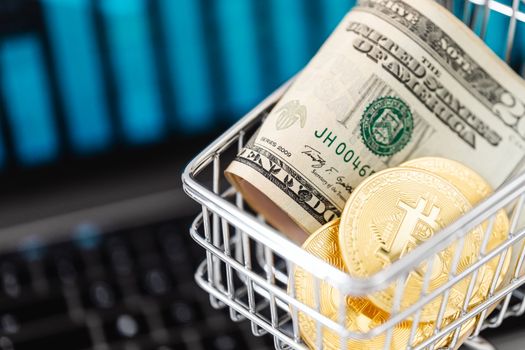
Cryptocurrency payments, though still a niche in global e-commerce, are poised to expand in 2024. Major brands like Shopify, Overstock, and AT&T already accept Bitcoin and other digital currencies. According to a 2023 Deloitte survey, 75% of U.S. retailers plan to accept crypto payments within the next two years.
Key drivers for crypto adoption: - $1 Crypto payments can reduce or eliminate intermediary fees, saving merchants up to 3% per transaction. - $1 Crypto transcends borders, making it ideal for international sales. - $1 Transactions are pseudonymous and protected by blockchain technology.Challenges remain, such as price volatility and regulatory uncertainty. However, the increasing popularity of stablecoins (cryptocurrencies pegged to fiat currencies) and improved payment gateways are helping to mitigate these issues.
Contactless and Mobile Payments: The Pandemic Effect Endures
The COVID-19 pandemic accelerated contactless payments, a trend that shows no sign of slowing. In 2023, contactless card transactions in the U.S. grew by 40%, according to Visa. Consumers now expect touch-free options—not just in-store but also online.
Mobile payment adoption is especially strong in emerging markets. For example, in India, the Unified Payments Interface (UPI) processed over 74 billion transactions in 2022 alone. By 2024, mobile payments are expected to account for over half of all e-commerce transactions in Asia-Pacific.
Features driving this growth: - $1 Tap-and-go payments reduce checkout friction. - $1 Mobile wallets often connect with rewards and coupons. - $1 Biometrics and two-factor authentication add extra layers of protection.For e-commerce merchants, optimizing websites for mobile and facilitating digital wallet payments will be essential to capture this growing market.
Security and Fraud Prevention: Building Trust in Digital Payments
With greater convenience comes greater risk. Online payment fraud is on the rise, with Juniper Research estimating global e-commerce fraud losses at $48 billion for 2023—a number that’s expected to grow in 2024.
Key developments in payment security include: - $1 MFA is becoming standard for high-value transactions, reducing the risk of account takeovers. - $1 Protects sensitive data by replacing card details with unique tokens. - $1 Advanced algorithms now monitor transactions in real-time, flagging suspicious activity for review.Consumers are also becoming more educated about payment security. In a 2023 survey by Mastercard, 83% of respondents said they would abandon a purchase if they felt the payment process was not secure.
For merchants, investing in robust fraud prevention tools and clearly communicating security measures can make the difference between a successful sale and a lost customer.
Payment Method Trends by Region: A Global Perspective
While many trends are global, payment preferences often differ by region:
- $1 Digital wallets and BNPL are booming, but credit cards still hold a significant share. - $1 Open Banking and instant bank transfers are gaining traction, especially in countries like the Netherlands and Germany. - $1 Mobile wallets dominate, with Alipay, WeChat Pay, and India’s UPI leading the way. - $1 Cash-based payments like Boleto (Brazil) and OXXO (Mexico) remain popular, but digital solutions are growing.Understanding these regional nuances is critical for e-commerce businesses looking to expand internationally in 2024.
Looking Ahead: Preparing for the Future of E-Commerce Payments
The e-commerce payment landscape in 2024 is set to be more dynamic and diverse than ever. Digital wallets, BNPL, crypto, and mobile payments are not just trends—they are becoming the new standard. Merchants that embrace these innovations, prioritize security, and stay attuned to regional preferences will be best positioned to succeed.
As technology continues to evolve and consumer expectations shift, staying informed about payment trends isn’t just an option—it’s a necessity.