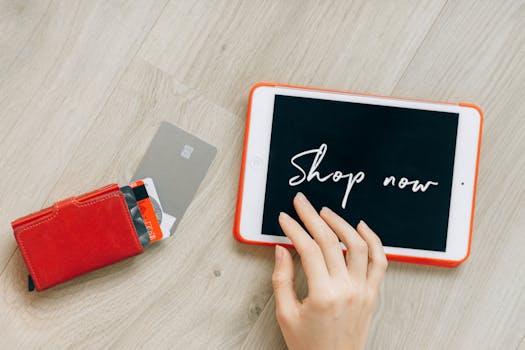
The retail industry is witnessing a profound transformation as it navigates the evolving preferences and behaviors of consumers. The ongoing debate between the viability of brick-and-mortar stores and e-commerce highlights a crucial juncture in retail history. Understanding the strengths, challenges, and potential integrations of both platforms is essential for anticipating the future direction of retail.
Strengths of Brick-and-Mortar Stores
Brick-and-mortar stores provide a sensory shopping experience that is difficult to replicate online. Customers appreciate the tactile aspect of shopping, such as touching fabrics or trying on clothes, which adds a level of assurance to their purchase decisions. Immediate product acquisition without the wait for delivery also remains a significant draw. Furthermore, physical stores offer personalized customer service where staff can quickly address concerns and build rapport with customers, fostering loyalty and repeat business.
.png)
Challenges Facing Physical Retail
Despite their advantages, brick-and-mortar locations grapple with high overhead costs including rent, utilities, and payroll. These expenses can diminish profit margins significantly. Physical stores are also geographically fixed, limiting their customer reach to local or regional populations. The rise of e-commerce has introduced a competitive pressure that necessitates innovation and adaptation from traditional retailers to stay relevant.
Advantages of E-commerce
E-commerce platforms cater to the modern consumer's desire for convenience and variety. Shoppers can access a vast array of products beyond what a physical store can offer, often at more competitive prices. The ability to shop anytime and from anywhere appeals to a broad demographic, particularly those with time constraints or who live in remote areas. Personalization through AI and data analytics further enhances the customer experience by suggesting products based on shopping habits and preferences.
E-commerce Challenges
However, e-commerce isn't without its hurdles. The absence of physical interaction with products can lead to dissatisfaction and high return rates. The impersonal nature of online shopping can also make it difficult to build customer loyalty. Additionally, the logistics of shipping and handling are not only costly but complex, especially with growing consumer expectations for rapid delivery services.
The Role of Omnichannel Retailing
The future of retail likely lies in a hybrid model that leverages the strengths of both brick-and-mortar and online platforms. Omnichannel strategies such as BOPIS (buy online, pick up in-store) offer convenience while also driving traffic to physical locations. This approach not only enhances customer engagement but also blurs the lines between online and offline shopping experiences.
Technological Innovations Shaping Retail
Digital innovations continue to transform both sectors. In-store technologies like AR and smart mirrors enhance the shopping experience, making it more interactive and personalized. For e-commerce, developments in VR could potentially mimic the in-store experience, providing a more tactile online shopping environment. These technological advancements are critical in bridging the gap between physical and digital retail spaces.
Sustainability: A Growing Consideration
Sustainability is becoming a deciding factor for many consumers. Brick-and-mortar stores have the opportunity to implement sustainable practices directly, such as minimizing packaging or opting for eco-friendly materials. E-commerce platforms, meanwhile, are focusing on sustainable shipping and packaging solutions to appeal to environmentally conscious consumers.
Conclusion
The retail sector is not choosing between brick-and-mortar and e-commerce but is rather moving towards an integrated model that offers a seamless and efficient shopping experience. By combining the immediate, sensory benefits of physical stores with the convenience and variety of online shopping, retailers can cater to diverse consumer needs and preferences. As technology advances and consumer expectations evolve, the successful retailers will be those who can effectively integrate and leverage both platforms to create a cohesive and engaging customer experience.