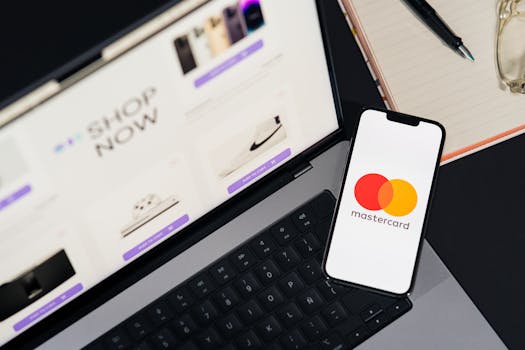
The digital revolution has fundamentally changed how businesses interact with customers, especially in the world of online sales. As e-commerce continues to expand—global online retail sales reached $5.8 trillion in 2023, according to Statista—companies face increasing competition not just for new customers, but for lasting loyalty. The emergence of new technologies has created both opportunities and challenges for building and maintaining customer loyalty in online sales. From AI-powered personalization to blockchain-based loyalty programs, technology is reshaping the landscape of customer retention. But what exactly are these impacts, and how are they influencing the relationship between brands and their buyers?
The Evolving Meaning of Customer Loyalty in the Digital Age
Customer loyalty has always been a key driver of business success. According to Bain & Company, increasing customer retention by just 5% can boost profits by 25% to 95%. In the online marketplace, however, loyalty is no longer only about repeat purchases or brand affinity. The digital customer expects more: seamless experiences, personalized offers, and instant gratification.
New technologies are raising the bar for what it means to be loyal. Today, loyalty is often measured by a customer’s willingness to engage across multiple touchpoints—email, social media, mobile apps, and even virtual reality environments. Brands that leverage technology to enhance convenience, trust, and engagement are more likely to inspire long-lasting loyalty, even in a world where switching brands is just a click away.
.png)
AI-Powered Personalization: Transforming Online Relationships
Artificial Intelligence (AI) has become a cornerstone of modern e-commerce, particularly when it comes to personalization. AI algorithms analyze vast amounts of customer data—browsing patterns, purchase history, and even social media activity—to deliver tailored recommendations and offers.
For example, Amazon’s recommendation engine, powered by AI, is responsible for approximately 35% of its total sales. This level of personalization makes customers feel understood and valued, increasing their emotional connection to the brand. In fact, a 2022 McKinsey report found that 76% of consumers are more likely to consider purchasing from brands that personalize their communications.
Yet, there’s a delicate balance. Over-personalization can feel invasive, and poorly executed AI can lead to irrelevant suggestions, which may erode trust. The key for online sellers is to use AI transparently and ethically, ensuring recommendations genuinely enhance the customer experience.
Omnichannel Integration: Creating Seamless Customer Journeys
The rise of omnichannel technologies has shattered the boundaries between online and offline shopping. Today, customers expect to move effortlessly between channels—browsing on a mobile device, asking questions via live chat, and purchasing on a desktop—all while enjoying a consistent experience.
Research from Harvard Business Review revealed that 73% of shoppers use multiple channels during their shopping journey. Technologies like cloud-based CRMs, real-time inventory tracking, and unified loyalty programs ensure that customer data is synchronized across all platforms.
Consider Starbucks: its loyalty app allows customers to order ahead, pay, and collect rewards online or in-store. This seamless integration not only boosts convenience but also builds a sense of belonging, increasing both satisfaction and repeat visits.
A comparison of single-channel vs. omnichannel loyalty impacts is illustrated below:
| Feature | Single-Channel | Omnichannel |
|---|---|---|
| Customer Data | Fragmented | Unified |
| Loyalty Program Access | One Platform | Multiple Platforms |
| Redemption Options | Limited | Flexible (Online/Offline) |
| Personalization | Basic | Advanced, Consistent |
| Customer Retention Rate | 45% (avg.) | 89% (avg., according to Omnisend 2023) |
Blockchain and Digital Loyalty Programs: Enhancing Trust and Transparency
Traditional loyalty programs often suffer from lack of transparency, complex rules, and limited redemption options. New blockchain-based solutions are addressing these pain points by providing secure, transparent, and transferable digital rewards.
For example, Singapore Airlines’ KrisPay, launched in 2018, is a blockchain-based digital wallet that allows customers to convert loyalty miles into points instantly redeemable across a wide network of partners. This innovation not only simplifies the redemption process but also builds trust, as customers can verify transactions on the blockchain.
A 2023 Deloitte survey found that nearly 60% of consumers are more likely to participate in loyalty programs that offer easy, transparent, and secure digital rewards. Blockchain also enables interoperability between brands, opening the door to coalition loyalty programs where customers can earn and use points across multiple businesses—further increasing perceived value and loyalty.
Real-Time Customer Service: Chatbots and Instant Support
Customer service has always been a loyalty touchpoint, but in the online era, speed and availability are paramount. Technologies such as AI-powered chatbots and virtual assistants provide instant answers to customer queries, 24/7.
According to IBM, chatbots can handle up to 80% of routine customer service questions, freeing human agents to focus on more complex issues. This immediacy boosts customer satisfaction and reduces friction, both crucial for loyalty.
However, customers still value the human touch for nuanced or sensitive issues. The most successful online retailers combine automated support with easy escalation to live agents, ensuring a seamless support experience.
Data Privacy and Security: The Double-Edged Sword of Technology
While new technologies provide powerful tools for building loyalty, they also raise concerns about data privacy and security. A 2023 Pew Research Center study found that 79% of American adults are worried about how companies use their personal data.
Breaches or misuse of data can instantly destroy trust and drive customers away. Conversely, brands that prioritize transparency, offer clear privacy controls, and invest in robust security measures can differentiate themselves as trustworthy partners.
For instance, Apple’s emphasis on user privacy has become a unique selling point, fostering strong loyalty among its customers—even as other tech giants face scrutiny.
Measuring the Impact: Loyalty Metrics in the Tech Era
With the proliferation of digital touchpoints, measuring loyalty has become more sophisticated. Beyond repeat purchase rates, brands now track Net Promoter Score (NPS), Customer Lifetime Value (CLV), and engagement across channels.
A 2023 Adobe study found that businesses leveraging advanced analytics to personalize customer journeys saw an average 25% increase in CLV. These metrics help companies refine their loyalty strategies and justify investments in new technologies.
Looking Ahead: The Future of Customer Loyalty in Online Sales
The impacts of new technologies on customer loyalty in online sales are profound and multifaceted. On one hand, innovations such as AI-driven personalization, omnichannel experiences, blockchain loyalty programs, and real-time support have made it easier for brands to build deeper, more meaningful relationships with their customers.
On the other hand, these technologies introduce new challenges around privacy, transparency, and the risk of over-automation. The brands that will thrive in this new era are those that leverage technology thoughtfully—putting customer experience and trust at the center of every innovation.
As online sales continue to grow and technology evolves, the definition of loyalty will keep shifting. By staying attuned to customer needs and technological advances, businesses can create loyalty programs and experiences that not only retain customers but turn them into passionate advocates.