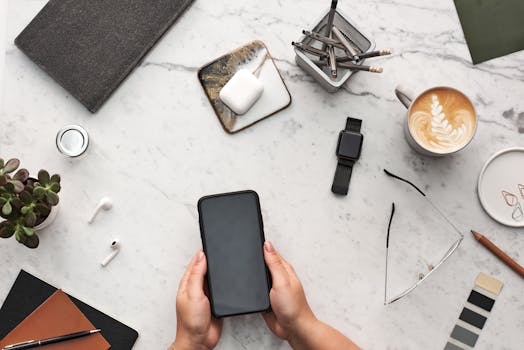
Shopping for mobile phone accessories often feels overwhelming. With thousands of products—cases, chargers, earbuds, stands, power banks, and more—how do you know what’s essential and what’s just hype? The right accessories can maximize your device’s potential, safeguard your investment, and genuinely improve your daily life. But with so many options, making the right choice requires more than just impulse buying. This guide takes a fresh look at mobile phone accessories, focusing on what you $1 need, how to spot quality, and how to avoid unnecessary purchases.
The Real Essentials: Accessories Everyone Should Consider
Not all mobile accessories are created equal. While some gadgets look cool, only a few truly enhance your daily phone use. Here's a breakdown of the must-have categories:
1. $1 According to a 2023 Statista survey, 79% of smartphone users in the U.S. use a case, primarily to protect against drops, scratches, and accidents. A good case can reduce the risk of screen damage by up to 60%. 2. $1 With repair costs for cracked screens averaging $200, investing in a tempered glass screen protector (typically $10–$30) makes practical sense. 3. $1 A reliable charger is a necessity, not a luxury. Fast-charging support can cut charging time by more than 50%, but beware of counterfeit or low-quality products that can damage your battery. 4. $1 In 2023, sales of portable chargers hit $9.5 billion worldwide. For those who travel, commute, or use power-hungry apps, a high-capacity (10,000mAh or more) power bank is essential. 5. $1 Whether for music, calls, or podcasts, good audio accessories improve your experience. The global market for wireless earbuds alone reached $34.7 billion in 2023, reflecting their importance in daily life.When shopping, prioritize these essentials before considering secondary or niche products.
.png)
Quality vs. Price: How to Spot and Avoid Cheap Imitations
The mobile accessories market is flooded with both reputable brands and low-quality knock-offs. While saving money is important, buying the cheapest option can cost you more in the long run—either through replacements or potential damage to your device.
$1 - $1 Look for "MFi" (Made for iPhone) on Apple accessories or "USB-IF Certified" for cables and chargers. These indicate adherence to safety and compatibility standards. - $1 Brands like Anker, Belkin, Spigen, and Otterbox consistently receive high marks for reliability. - $1 Quality products usually come with warranties ranging from 1 to 3 years. - $1 Look for products with at least 4 stars and hundreds of reviews on reputable platforms. $1 - Substandard chargers can overheat or cause electrical shorts. - Poor-quality screen protectors can impair touch sensitivity or clarity. - Cases made with inferior materials may discolor or crack within months.A 2022 study by Counterpoint Research found that 30% of users who purchased non-certified accessories experienced device malfunction or accessory failure within the first six months.
Functionality First: Matching Accessories to Your Lifestyle
Not every accessory is necessary for everyone. The best choice depends on your usage patterns, hobbies, and work requirements. Here are common user profiles and the accessories that make sense for each:
| User Type | Recommended Accessories | Example Product Features |
|---|---|---|
| Commuter/Traveler | Power bank, car charger, rugged case | 10,000mAh capacity, drop protection, USB-C support |
| Remote Worker | Wireless charger, Bluetooth keyboard, phone stand | Qi-certification, multi-device pairing, adjustable angles |
| Fitness Enthusiast | Sports armband, sweat-resistant earbuds | Lightweight, IPX4 or higher water resistance |
| Content Creator | Tripod, ring light, external microphone | Bluetooth remote, variable brightness, noise cancellation |
| Basic User | Case, screen protector, basic wired earphones | Shock absorption, 9H glass hardness, inline controls |
By matching your accessory choices to your lifestyle, you avoid clutter and ensure each purchase adds real value.
Wireless vs. Wired: The Pros and Cons in 2024
The debate between wireless and wired accessories is more relevant than ever. Wireless technology offers freedom of movement and convenience, but sometimes at the expense of reliability or cost.
$1 - No tangled wires; ideal for workouts and commuting. - Multipoint pairing lets you connect to multiple devices. - Many wireless chargers now support fast charging up to 15W. $1 - More expensive: Average price of wireless earbuds is $100+ versus $25 for wired. - Battery life limitations (most wireless earbuds last 4–8 hours per charge). - Potential for latency or connectivity issues. $1 - No charging required. - Typically offer better audio quality for the price. - Lower latency, important for gaming or video calls. $1 - Less convenient for movement. - Some newer phones lack headphone jacks, requiring adapters.Statistically, as of 2023, over 65% of new phone sales are for models without headphone jacks, pushing users toward wireless solutions. However, for those who prioritize sound quality or reliability, wired remains a strong option.
Sustainability and Safe Disposal: Making Responsible Choices
Mobile accessories may be small, but they contribute to electronic waste. The United Nations reported that in 2022, e-waste reached a record 59.4 million metric tons globally, with accessories making up a significant share.
$1 - $1 Some brands now offer cases made from recycled plastics or biodegradable materials. - $1 Investing in durable, high-quality accessories reduces waste in the long term. - $1 Many electronics retailers and manufacturers offer take-back or recycling schemes for old accessories. - $1 The “RoHS” label means the product is free from hazardous substances.Choosing sustainable accessories not only benefits the planet but often means you’re buying from brands that value quality and longevity.
Making Smart Accessory Purchases: Final Tips and Takeaways
The mobile phone accessory market is vast, but thoughtful choices can help you avoid wasted money, device damage, and environmental harm. Here’s what to remember:
- $1—case, screen protector, reliable charger—before branching out. - $1 to your lifestyle for maximum value. - $1 to avoid frequent replacements and potential device harm. - $1 based on your real needs, not just trends. - $1 when shopping and disposing of old accessories.A good mobile accessory should make your device safer, more convenient, or more enjoyable to use. If it doesn’t check one of those boxes, it’s probably not something you really need.