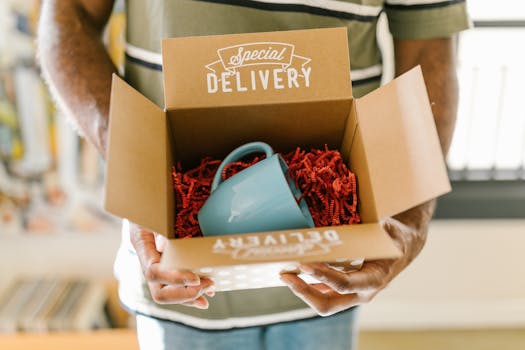
Unboxing the Success of Subscription Box Services
Subscription box services have revolutionized how consumers discover, purchase, and enjoy products across a vast array of categories. From beauty and grooming kits to gourmet foods, books, pet supplies, and even niche hobbies, these curated packages have become an integral part of the modern retail landscape. But what’s driving the meteoric rise of the subscription box industry? How do these services captivate and retain customers in an age where convenience and personalization reign supreme? This in-depth exploration unpacks the business models, psychological triggers, and market trends fueling the ongoing success of subscription box services.
The Subscription Box Boom: Market Growth and Industry Snapshot
The subscription box industry has experienced explosive growth over the past decade. According to a 2023 report by IMARC Group, the global subscription box market was valued at approximately $26 billion in 2022 and is projected to grow at a compound annual growth rate (CAGR) of 18.3% through 2028. In the United States alone, over 18.5 million consumers received at least one subscription box in 2023, up from just 7.1 million in 2017 (McKinsey & Company).
This expansion is not confined to any single demographic or product category. Subscription boxes cater to a wide range of interests and needs, including:
.png) - Beauty and skincare (e.g., Birchbox, Ipsy)
- Meal kits and gourmet foods (e.g., Blue Apron, HelloFresh)
- Fitness and wellness (e.g., FabFitFun)
- Books and literature (e.g., Book of the Month)
- Pet supplies (e.g., BarkBox)
- Kids’ crafts and STEM activities (e.g., KiwiCo)
- Beauty and skincare (e.g., Birchbox, Ipsy)
- Meal kits and gourmet foods (e.g., Blue Apron, HelloFresh)
- Fitness and wellness (e.g., FabFitFun)
- Books and literature (e.g., Book of the Month)
- Pet supplies (e.g., BarkBox)
- Kids’ crafts and STEM activities (e.g., KiwiCo)
The appeal is clear: subscription boxes offer curated experiences, surprise and delight, and the convenience of home delivery. Retail giants and startups alike are leveraging this model to foster customer loyalty and tap into recurring revenue streams.
The Psychology Behind Subscription Boxes: Why Consumers Love Them
The success of subscription box services is deeply rooted in consumer psychology. Several key factors contribute to their widespread appeal:
1. $1: The element of surprise is integral to the unboxing experience. According to a 2021 survey by YouGov, 62% of subscription box users stated that “the excitement of not knowing what’s inside” was a primary reason for subscribing. 2. $1: Many subscription box companies use detailed quizzes or data analytics to personalize selections for each customer. For instance, Ipsy curates beauty boxes based on skin tone, style preferences, and product feedback. 3. $1: Subscription boxes eliminate the need for repeated shopping decisions. Consumers receive their favorite products—or new discoveries—delivered on a regular schedule. 4. $1: Boxes often introduce customers to new brands and products they might not have found otherwise. For example, 70% of Birchbox subscribers reported purchasing full-sized versions of items they first sampled in a box. 5. $1: Social media platforms, especially YouTube and Instagram, have amplified the unboxing phenomenon. In 2023, there were more than 90 million posts tagged with #unboxing, illustrating the strong community aspect and word-of-mouth potential.Business Models: How Subscription Boxes Deliver Value
There are several distinct business models within the subscription box sector, each designed to maximize value for both companies and consumers. Below is a comparative overview of the most common types:
| Model | Description | Example Brands | Key Benefit |
|---|---|---|---|
| Curated Discovery | Customers receive a surprise selection of products based on their preferences. | Birchbox, FabFitFun, Loot Crate | Excitement and product discovery |
| Replenishment | Essential items are automatically delivered at regular intervals. | Dollar Shave Club, Chewy Autoship, Amazon Subscribe & Save | Convenience and savings |
| Access | Subscribers gain exclusive access to products, deals, or experiences. | Book of the Month, Thrive Market | Exclusivity and member perks |
| Build-Your-Own | Customers customize their box by choosing specific items each cycle. | KiwiCo, SnackCrate | Personalization and flexibility |
The curated discovery model remains the most popular, but replenishment and access-based subscriptions are growing rapidly, especially in categories like groceries, pet care, and personal care.
Challenges: Churn, Logistics, and Sustainability
Despite their popularity, subscription box services face several challenges that can impact profitability and customer satisfaction:
- $1: Retaining subscribers is a constant struggle. A McKinsey study found that nearly 40% of consumers who sign up for a subscription box cancel within the first six months. Companies must continually innovate and deliver value to keep subscribers engaged. - $1: Coordinating product sourcing, inventory management, and shipping for thousands of individualized boxes each month is a logistical feat. Delays or errors can quickly erode customer trust. - $1: Subscription boxes often involve significant packaging, raising questions about environmental impact. In a 2022 Nielsen survey, 73% of consumers said they’d be more likely to subscribe to a service that uses eco-friendly packaging. - $1: With so many options available, standing out in the crowded marketplace is increasingly difficult. Niche boxes and hyper-personalization have become essential strategies for differentiation.Innovation and Evolution: What’s Next for Subscription Boxes?
To stay ahead, subscription box companies are embracing innovation in several key areas:
1. $1: Advanced algorithms help tailor recommendations, optimize inventory, and anticipate customer needs. For example, Stitch Fix employs over 100 data scientists to refine its fashion curation process. 2. $1: Brands like Grove Collaborative and Love Goodly focus on eco-friendly products and recyclable packaging, responding to consumer demand for greener options. 3. $1: Some subscription services now offer hybrid models, combining online subscriptions with in-store experiences. Sephora Play! allows subscribers to redeem samples in-store, bridging digital and physical retail. 4. $1: Allowing customers to skip boxes, swap products, or adjust delivery frequency has become standard, reducing churn and boosting satisfaction. 5. $1: Subscription boxes are seeing rapid adoption in Europe and Asia-Pacific. In 2023, the Asia-Pacific subscription box market grew by 21%, outpacing North America and Europe (Statista).Impact on Brands and Retailers
Subscription boxes aren’t just a win for consumers—they also offer significant advantages to brands and retailers:
- $1: Direct-to-consumer relationships yield valuable data on buying habits and preferences, enabling personalized marketing. - $1: Emerging brands can gain exposure by partnering with subscription box companies, reaching new audiences at scale. - $1: The recurring revenue model provides predictable cash flow, which is especially appealing to investors. - $1: Subscription models help brands move inventory more efficiently, reducing waste and markdowns.Case in point: Dollar Shave Club, which started with a simple subscription for razors, was acquired by Unilever in 2016 for $1 billion, demonstrating the immense value of the subscription model for both startups and established corporations.
Conclusion
Subscription box services have fundamentally altered the consumer landscape, offering a blend of convenience, discovery, and delight that resonates with millions of subscribers worldwide. While challenges like customer retention and environmental impact remain, continuous innovation, data-driven personalization, and a focus on sustainability are propelling the industry forward. As more brands and retailers look to harness the power of subscriptions, the box is only getting bigger—and the unboxing, ever more exciting.