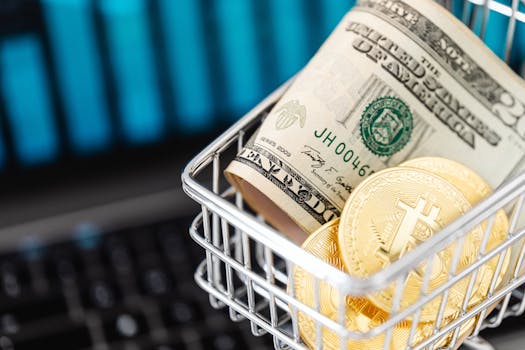
Understanding Cryptocurrency Shopping: A Comprehensive Guide
Cryptocurrency, once a niche interest, has burgeoned into a significant player in global finance and commerce. With the increasing acceptance of digital currencies like Bitcoin, Ethereum, and others, more consumers are now venturing into the realm of cryptocurrency shopping. This guide aims to elucidate the concept of cryptocurrency shopping, highlighting its benefits, challenges, and practical tips for engaging safely and effectively.
What is Cryptocurrency Shopping?
.png)
Cryptocurrency shopping involves purchasing goods or services using digital currencies. These transactions are powered by blockchain technology—a decentralized digital ledger that records all transactions transparently and securely. This not only facilitates the transfer of digital assets but also enhances security by preventing fraud and unauthorized access.
Benefits of Using Cryptocurrencies for Shopping
- Lower Transaction Fees: Cryptocurrency transactions typically incur lower fees compared to traditional online purchases. This is because they bypass intermediaries like banks and payment processors, making them cost-effective, particularly for high-value or international transactions.
- Enhanced Privacy: Shopping with cryptocurrencies requires less personal information compared to traditional payment methods, thus reducing the risk of data breaches and identity theft. However, it's important to note that these transactions aren't entirely anonymous due to the traceable nature of blockchain technology.
- Faster Transactions: Unlike traditional banking processes, cryptocurrency transactions can be completed swiftly—often within minutes—regardless of the geographical locations of the involved parties.
Challenges and Risks
- Price Volatility: The value of cryptocurrencies can be highly volatile, experiencing sharp fluctuations in a short period. This volatility can significantly affect the cost of goods or services if the digital currency is not promptly converted into a stable currency.
- Regulatory Uncertainty: The regulatory framework for cryptocurrencies is still in development and varies by country. This evolving landscape can complicate purchases and restrict the usability of cryptocurrencies in certain regions.
- Limited Acceptance: Despite growing popularity, the acceptance of cryptocurrencies is not yet widespread. Many businesses, especially smaller local ones, may not accept digital currencies, which could limit your shopping options.
Tips for Safe Cryptocurrency Shopping
- Secure Your Wallet: Ensure that your digital wallet is secure by using strong, unique passwords and enabling two-factor authentication.
- Shop Reputably: Only make purchases from reputable websites and merchants to avoid scams and phishing attacks.
- Mitigate Volatility Risks: Consider converting cryptocurrencies into stablecoins or fiat currencies when making significant purchases to shield yourself from price volatility.
Conclusion
Cryptocurrency shopping presents a forward-looking method of transaction that offers several advantages such as lower fees, enhanced privacy, and faster transactions. However, it also comes with its own set of challenges like volatility, regulatory issues, and limited acceptance. As the digital currency infrastructure continues to mature and more businesses adopt cryptocurrency, many of these hurdles may diminish. For those intrigued by the intersection of technology and commerce, cryptocurrency shopping offers a compelling glimpse into the future of financial transactions, blending innovation with practicality.