The COVID-19 pandemic reshaped nearly every aspect of life, but perhaps nowhere is its impact more profound and lasting than in the way people shop. From grocery runs to luxury purchases, consumer buying behavior underwent major shifts that continue to influence markets worldwide. Businesses, marketers, and consumers themselves are navigating a landscape that looks distinctly different from pre-pandemic times. But how exactly has consumer buying behavior changed after the pandemic? Let’s explore the key transformations, what’s driving them, and what they mean for the future of commerce.
The Digital Acceleration: E-Commerce as the New Normal
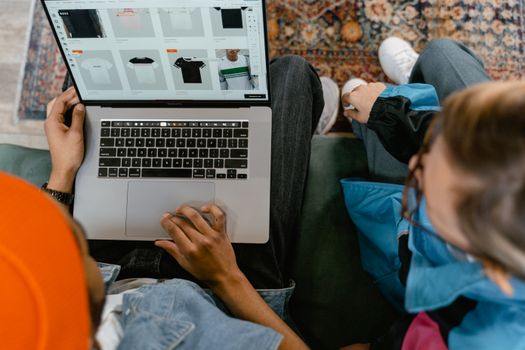
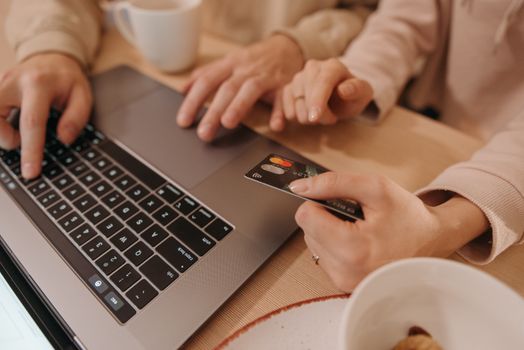
One of the most visible changes in consumer buying behavior since the pandemic is the surge in online shopping. According to Statista, global e-commerce sales reached $5.7 trillion in 2022, a 16% increase from 2020. This boom was not just about necessity during lockdowns; it signaled a fundamental shift in preferences and expectations.
Pre-pandemic, only 13.6% of global retail sales occurred online. By 2023, this figure had jumped to 20.8%, and projections suggest it could surpass 24% by 2026. Consumers now expect the convenience, speed, and breadth of choice that e-commerce provides. This digital acceleration is evident across all age groups, including demographics previously less engaged with online shopping, such as older adults.
.png)
Beyond just buying, research and discovery have also moved online. A 2023 Deloitte survey found that 84% of consumers start their product search on the internet, even if they plan to purchase in-store. The pandemic has effectively normalized digital touchpoints throughout the buying journey.
Value Sensitivity and the Rise of Conscious Consumption
Economic uncertainty during and after the pandemic made consumers more value-conscious. Inflation, disrupted supply chains, and job insecurity led to careful budgeting and a reassessment of priorities. According to a McKinsey study, 44% of consumers globally switched to cheaper brands or private labels during the pandemic, and 62% intend to keep those habits.
But value isn’t just about price. The pandemic also heightened awareness of sustainability, ethical sourcing, and social responsibility. In a 2022 NielsenIQ survey, 73% of global consumers said they would definitely or probably change their consumption habits to reduce environmental impact. This has driven the popularity of products labeled organic, eco-friendly, or locally sourced.
Shoppers are now more likely to research brand values, demand transparency, and support companies that align with their beliefs. Conscious consumption is not a temporary trend but a new baseline for buying behavior in the post-pandemic era.
Omnichannel Expectations: Blending Physical and Digital Experiences
While online sales have soared, the role of physical stores remains significant — but with a twist. The post-pandemic consumer expects seamless integration between online and offline experiences. Services like buy online, pick up in-store (BOPIS), curbside pickup, and easy returns have become standard.
A 2023 Salesforce report found that 60% of shoppers prefer retailers who offer flexible fulfillment options. Meanwhile, 43% of consumers used at least two shopping channels during their last purchase. The expectation is clear: consumers want to move fluidly between digital and physical touchpoints, enjoying the best of both worlds.
Retailers have responded by investing in technology for inventory visibility, mobile payments, and personalized in-store experiences. Physical stores are evolving into experiential hubs where consumers can try products, seek expert advice, or participate in brand events, while the transactional aspect often happens online.
Heightened Focus on Health, Safety, and Personalization
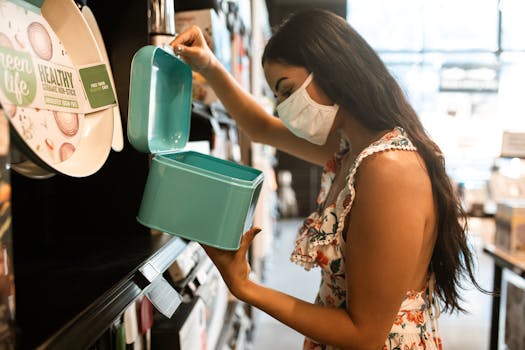
The pandemic made health and safety top priorities for shoppers. Even as restrictions have eased, these concerns persist. Contactless payments grew by 150% in 2020 and remain popular today. Consumers also value enhanced sanitation, crowd management, and ventilation in physical spaces.
Personalization has taken on new importance. With more data at their fingertips, brands now tailor experiences to individual preferences. A 2023 Accenture study revealed that 91% of consumers are more likely to shop with brands that provide relevant offers and recommendations. Personalization now spans product suggestions, communication channels, and even delivery timing.
This emphasis on both safety and customization has shifted consumer expectations permanently. Brands that fail to offer tailored, secure experiences risk losing out to competitors who do.
Changes in Product Categories and Purchasing Frequency
Not all product categories have experienced the same changes in consumer behavior. The pandemic altered what people buy — and how often. Home improvement, fitness equipment, and electronics saw unprecedented demand as people adapted to remote work and school. According to the NPD Group, sales of home fitness equipment in the US grew by 170% in 2020, and while growth slowed, higher baseline demand remains.
Conversely, spending on travel, formalwear, and luxury goods dipped sharply during the pandemic and only began to recover in late 2022. Grocery shopping patterns shifted too: Americans made fewer trips to stores but spent more per visit, a trend that persists as shoppers continue to stock up and plan ahead.
The table below highlights some key shifts in product category demand:
| Product Category | Pre-Pandemic Demand | Pandemic Peak | 2023 Status |
|---|---|---|---|
| Home Fitness Equipment | Moderate | +170% (2020) | Above Pre-Pandemic |
| Groceries | Frequent, In-Store | Online & Bulk Purchases | Hybrid, Less Frequent |
| Travel | Stable Growth | -74% (Q2 2020) | Recovering |
| Luxury Goods | Strong Demand | -30% (2020) | Near Recovery |
| Electronics | Seasonal Peaks | +50% (2020-2021) | Steady |
These shifts underscore the need for businesses to monitor trends and adapt their product offerings to evolving consumer needs and lifestyles.
Trust, Loyalty, and the Importance of Reviews
With so many changes and uncertainties, trust has become a critical currency. Consumers are more cautious about where they spend their money, making brand reputation and peer reviews more important than ever. According to PowerReviews, 99.9% of consumers read reviews when shopping online, and 96% specifically look for negative feedback to inform their decisions.
Loyalty has become more conditional. While price and convenience drive experimentation, excellent service, transparency, and reliability are necessary to retain customers. A PWC survey in 2023 found that 32% of consumers would stop buying from a brand they loved after just one bad experience.
Brands that foster trust through clear communication, consistent quality, and authentic engagement are winning in the post-pandemic marketplace.
Looking Ahead: The Lasting Impacts on Consumer Buying Behavior
The pandemic may have sparked rapid and dramatic changes, but many of these shifts in consumer buying behavior are proving resilient. Digital-first shopping, value and values-driven choices, omnichannel preferences, and an emphasis on trust are now permanent features of the retail landscape.
For businesses, understanding these changes is essential for future growth. Investing in technology, sustainability, and customer experience will be key differentiators. For consumers, the post-pandemic era offers more choices, better transparency, and greater empowerment than ever before.
The evolution of buying behavior is ongoing, shaped not just by the pandemic but by technology, culture, and the economy. Staying attuned to these trends will benefit shoppers and sellers alike.