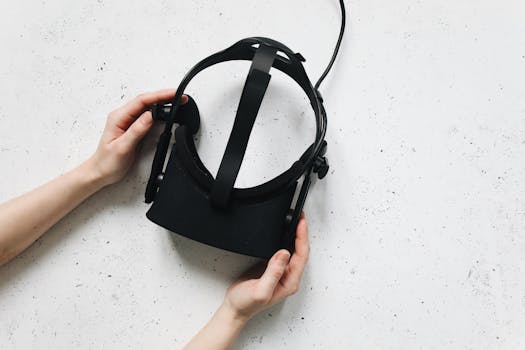
Virtual reality (VR) is redefining the shopping experience, merging the ease of online shopping with the immersive experience of physical store visits. This innovative technology is not just a glimpse into the future but a dynamic force currently transforming the retail sector. Here, we delve into how VR is reshaping shopping, its advantages for consumers and retailers, and the potential future developments in VR-driven commerce.
Understanding Virtual Reality in Shopping
Virtual reality in retail involves using VR headsets and software to simulate a shopping environment that replicates a physical store. This allows consumers to navigate through virtual aisles, interact with products, and make purchases from the comfort of their homes. By merging physical shopping elements with digital convenience, VR caters to the modern consumer's needs.
.png)
Enhancing the Shopping Experience
VR shopping significantly enhances the customer experience. Unlike traditional online shopping, which relies on static images and descriptions, VR introduces a three-dimensional, interactive layer. Shoppers can examine products from various angles, virtually try on clothing, or see how a piece of furniture would look in their living space. This immersive interaction not only boosts customer satisfaction but also minimizes return rates.
Bridging Online Shopping Gaps
Online shopping is convenient but often misses the tactile and engaging experience of a physical store. VR addresses this by simulating the in-store experience, allowing customers to 'walk' through virtual stores and 'touch' products. This immersive experience can fulfill the need for physical interaction, making online purchases more appealing.
Personalized Shopping Journeys
VR technology can track user interactions and preferences, providing a rich data source for retailers to offer personalized shopping experiences. VR systems can suggest products tailored to user tastes, customize the virtual environment, and strategically place products to catch the user's eye. This customization not only elevates user experience but also drives sales.
Cost Efficiency and Market Expansion for Retailers
VR can significantly reduce the need for physical retail space, lowering overhead costs such as rent and payroll. Moreover, a VR store, accessible to anyone with a headset, opens up global markets without the need for multiple physical locations. This capability allows retailers to expand their customer base and market reach with minimal investment in physical infrastructure.
The Future of VR in Retail
As VR technology evolves, its potential applications in retail grow. Future enhancements may include more lifelike product interactions, refined personalization algorithms, and integration with augmented reality (AR) and artificial intelligence (AI). These advancements could lead to deeper and more tailored shopping experiences.
Additionally, VR might facilitate social shopping experiences, where friends can shop together in a virtual space from different locations, adding a social dimension reminiscent of traditional shopping.
Challenges and Considerations
Despite its promise, VR shopping faces hurdles such as the cost of VR equipment and the technological adeptness required from users. Privacy and data security are also significant concerns, as VR platforms can collect extensive user data.
Conclusion
Virtual reality is poised to redefine the retail landscape by offering immersive, interactive, and personalized shopping experiences that blend the best of online and in-store shopping. As VR technology becomes more advanced and accessible, it could become a staple in retail, benefiting consumers and businesses alike. However, overcoming challenges related to accessibility and security will be crucial for VR to realize its full potential in the shopping domain. With continuous improvements and broader adoption, the future of VR in shopping is both promising and exhilarating.