Virtual reality (VR) is no longer confined to the realms of gaming and entertainment. Over the past few years, VR has made a dramatic entrance into the world of e-commerce, giving rise to a new phenomenon: virtual reality shopping. Imagine browsing a digital store, picking up products, and examining them from every angle—all without leaving your living room. The technology promises to revolutionize how we shop, but is it really the future of retail, or just a passing trend? In this article, we dive deep into the pros and cons of virtual reality shopping, exploring its potential, limitations, and what it could mean for consumers and businesses alike.
What Is Virtual Reality Shopping?
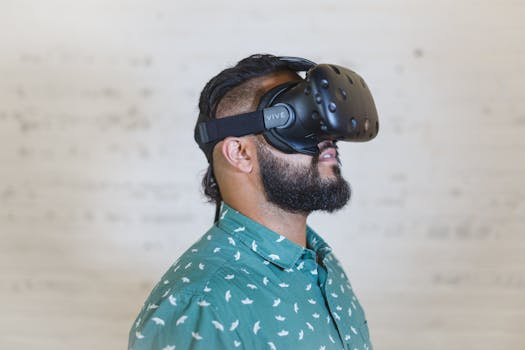
Virtual reality shopping refers to using immersive 3D environments, accessed through VR headsets or compatible devices, to replicate the experience of shopping in a physical store. Rather than scrolling through flat product images on a website, shoppers can walk through a virtual mall, interact with products, and even receive virtual assistance. Major brands like IKEA, Adidas, and Alibaba have already experimented with VR shopping experiences, aiming to bring the convenience of online shopping closer to the tactile, social, and engaging aspects of brick-and-mortar retail.
According to a 2023 survey by Statista, nearly 32% of US adults expressed interest in trying VR shopping, and global VR retail sales were projected to surpass $4.8 billion by 2025. This rapid growth signals a significant shift in the way consumers and retailers perceive digital commerce.
.png)
The Advantages of Virtual Reality Shopping
Virtual reality shopping offers a host of benefits that make it appealing to both shoppers and retailers. Here are some of the key advantages:
1. $1 One of the most significant advantages is the ability to examine products in a 3D space. Shoppers can view items from multiple angles, zoom in on details, and even see how products look in different environments. For example, furniture retailers like IKEA let customers visualize how a couch would fit in their living room. 2. $1 Virtual environments are naturally engaging. Interactive features such as virtual try-ons for clothing or makeup, or the ability to mix and match accessories, offer a playful and personalized shopping experience. According to a 2022 report from PwC, 51% of consumers said they would be more likely to buy from a retailer offering VR experiences. 3. $1 VR shopping eliminates the need to visit multiple physical stores. Shoppers can explore a variety of brands and products from home, saving time and effort. For individuals with mobility challenges or those living in remote areas, this accessibility is especially valuable. 4. $1 Because VR allows shoppers to better understand product size, color, and fit, there is potential to reduce the rate of returns. The National Retail Federation reported that in 2022, product returns cost US retailers over $816 billion. VR’s ability to provide a more accurate representation of products could help lower these numbers.The Drawbacks and Challenges of Virtual Reality Shopping
Despite its potential, virtual reality shopping is not without its drawbacks. Here are some of the main challenges facing widespread adoption:
1. $1 The hardware required for a true VR shopping experience—such as headsets and compatible computers or smartphones—can be expensive. As of early 2024, popular VR headsets like the Meta Quest 3 retail for around $499, making it a significant investment for casual shoppers. 2. $1 While VR can replicate the look and feel of a store, it still can’t replace the physical sensation of touching, smelling, or trying on products. For items where texture, scent, or weight is important (such as perfumes or fabrics), VR falls short. 3. $1 Not all users are comfortable with VR technology. Some may experience motion sickness, discomfort, or frustration with device setup. Additionally, reliable high-speed internet is required for seamless experiences, which may not be available everywhere. 4. $1 While big brands are experimenting with VR, the majority of retailers have not yet invested in creating virtual stores. This limits the variety and breadth of products currently available in VR shopping environments.Social Aspects: Is VR Shopping Really Social?
One of the promises of virtual reality shopping is the potential to make online shopping a social experience. In theory, friends can shop together in a virtual mall, chat in real time, and even get advice from virtual assistants. Retailers like Alibaba have piloted social VR shopping, allowing users to bring digital avatars of friends into the store with them.
However, the reality is still catching up to the hype. According to a 2023 survey by eMarketer, only 11% of VR users reported regularly shopping with friends in virtual environments. Technical glitches, awkward avatar interactions, and the learning curve of navigating VR spaces all pose challenges. As VR technology matures and platforms become more user-friendly, the social side of VR shopping may become more prominent.
Impact on Retailers: Opportunity or Obstacle?
For retailers, the adoption of VR offers both exciting opportunities and new obstacles to navigate.
1. $1 Adopting VR can help brands stand out in a crowded online marketplace. Companies that offer immersive shopping experiences are often viewed as innovative and forward-thinking. 2. $1 VR environments allow retailers to track user movement, gaze, and interactions, providing valuable data for personalized marketing. For example, if a shopper spends more time looking at athletic shoes, the system can suggest similar products or offer targeted discounts. 3. $1 Developing a VR shopping platform requires significant investment in technology, software development, and staff training. According to Gartner, the average cost to develop a basic branded VR store ranges from $50,000 to $300,000—a substantial outlay, particularly for small businesses. 4. $1 VR environments require regular updates and technical support to remain secure and functional, adding to the ongoing costs.Comparing Virtual Reality Shopping to Traditional Online and In-Store Shopping
To better understand where VR shopping stands in the current landscape, let's compare it with traditional online and in-store shopping across key factors.
| Feature | Virtual Reality Shopping | Traditional Online Shopping | In-Store Shopping |
|---|---|---|---|
| Product Visualization | 3D, immersive, interactive | 2D images/videos | Physical, touchable |
| Social Interaction | Virtual avatars, limited real-time chat | Minimal (reviews, chat) | Face-to-face, direct |
| Convenience | High (from home), requires headset | High (from any device) | Low (requires travel) |
| Accessibility | Limited by hardware | Accessible to anyone with internet | Accessible, but may have physical barriers |
| Cost (for users) | Requires investment in VR hardware | None beyond device/internet | None beyond travel costs |
| Return Rates | Potentially lower due to better visualization | Higher, especially for apparel | Lowest (can try before buying) |
The Future Outlook: Will VR Shopping Become Mainstream?
The trajectory of virtual reality shopping is promising but uncertain. As VR hardware becomes more affordable and wireless, and as developers create more user-friendly platforms, adoption rates are expected to rise. In 2023, the global VR market was valued at $15.81 billion, with retail being one of the top five industries investing in the technology, according to IDC.
However, widespread adoption will hinge on overcoming current barriers: reducing hardware costs, improving content quality, and making VR shopping accessible to all. Some experts predict that by 2030, up to 25% of online purchases could be influenced by immersive technologies like VR and AR (augmented reality). Whether VR shopping becomes the norm or remains a niche experience will depend on how quickly these challenges are addressed.
Final Thoughts on the Pros and Cons of Virtual Reality Shopping
Virtual reality shopping holds enormous potential to transform the retail landscape, offering immersive, engaging, and personalized experiences that traditional online shopping can’t match. Yet, its drawbacks—especially around cost, accessibility, and tactile limitations—mean it is not likely to fully replace physical or standard digital shopping anytime soon. For now, VR shopping serves as an exciting complement to other retail channels, particularly for tech-savvy consumers and innovative brands.
As technology evolves and more retailers experiment with virtual environments, the line between physical and digital shopping will continue to blur. Whether you are a consumer curious about new ways to shop or a business weighing the investment in VR, understanding the pros and cons of virtual reality shopping is essential for navigating the next era of commerce.